Warren Buffet has made the central core of his investment strategy to look for companies that are well managed.
Having a competent and trustworthy management team is often considered more valuable than having a business with great prospects but an inept team at the helm. Let’s delve into some key principles that Warren Buffett considers when evaluating the management of a company.
- Track Record of Performance
The past performance of the management team is often a good indicator of its capabilities. Buffett looks for a management team that has a proven track record of making sound business decisions and delivering consistent results over time. He assesses how well the management has been able to increase shareholder value, manage debts, and generate profits.
- Capital Allocation
Buffett places great importance on how the management allocates capital. A good management team should be able to allocate capital efficiently, balancing between investing in the growth of the business, paying down debt, buying back shares, and paying dividends. Buffett often looks at the return on invested capital (ROIC) as a key metric to assess the efficiency of capital allocation.
- Honesty and Transparency
Buffett values honesty and transparency highly in a management team. He looks for leaders who provide straightforward and candid communication to shareholders. This involves being upfront about the company’s challenges and not just highlighting its successes. Management should also have a history of delivering on its promises.
- Alignment with Shareholder Interests
The interests of the management team should be closely aligned with those of the shareholders. This can be assessed by looking at the compensation structure of the executives. Buffett prefers that the management is compensated based on the performance of the company rather than just the stock price. This ensures that the management is incentivized to focus on the long-term success of the company rather than short-term stock price movements.
- Skin in the Game
Buffett prefers executives who have a significant personal investment in the company. This shows that the management has confidence in the company and its future. It also ensures that the management’s interests are aligned with those of the shareholders, as they also stand to gain or lose personally based on the company’s performance.
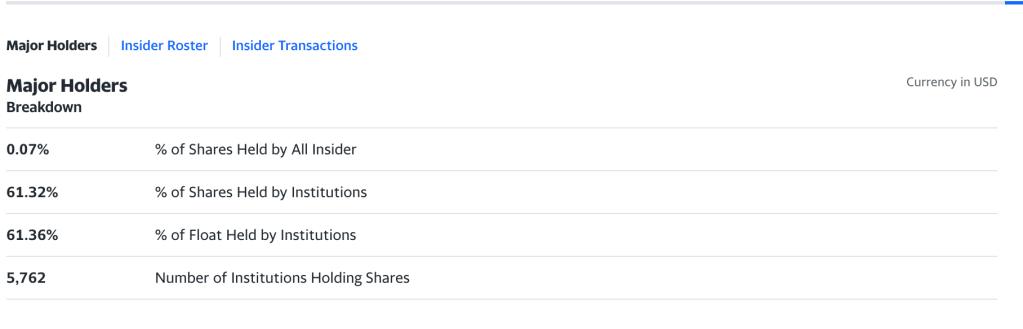
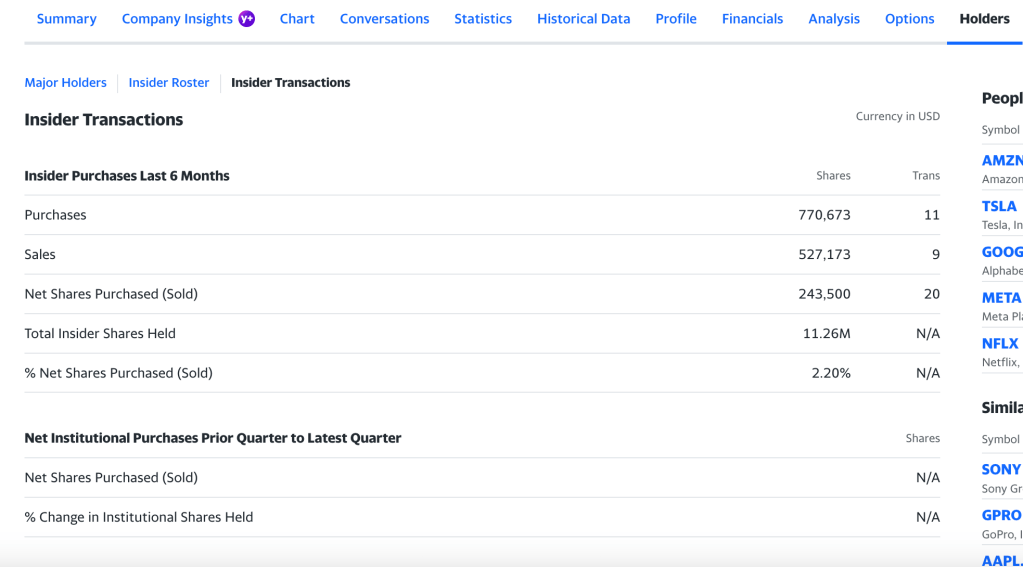
Obviously it is pretty hard to obtain all of this data without going through some serious research and it is unlikely that a retail investor like you and me will have access to inner management workings. However one of the above methods is readily available i.e the % of insider shares.
eg if you go to a stock page like this on Yahoo finance and click on Holders tab.
Here we can get a snapshot of net Insider transactions as well as the percentage of all shares held by insiders –
Evaluating the management of a company is a critical aspect of Warren Buffett’s investment strategy. A competent and honest management team can make a good company great, while an inept or dishonest team can lead a company to ruin. By assessing the track record, capital allocation decisions, transparency, alignment with shareholder interests, and personal investment of the management team, investors can make a more informed decision about the quality of a company’s leadership.
Happy Investing!
 Practical finance
Leave a comment